
By Andy Jacobs
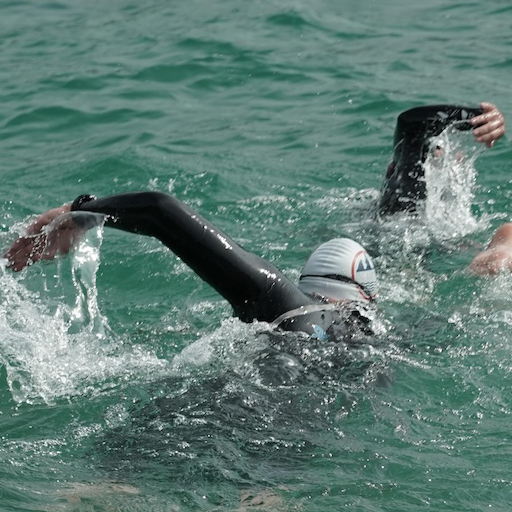
Mastering the art of pacing in open water swimming is akin to conducting a symphony; every stroke, every breath, and every turn is a note that contributes to the grand performance. The unpredictable nature of open water races, with their varying conditions and lack of lane lines, makes the ability to pace oneself effectively a crucial skill for every swimmer aspiring to excel in these environments.
Pacing in open water swimming is not merely about maintaining a steady speed; it’s an intricate balance of energy conservation, tactical positioning, and psychological endurance. The key to effective pacing lies in understanding your own swimming rhythm and being able to adapt it to the challenges of open water.
Training for pacing in the ocean demands a focus on both physical endurance and mental fortitude. One effective drill is the ‘Negative Split’ swim. This involves dividing your swim into two equal parts. In the first part, you swim at a comfortable, steady pace. In the second part, you increase your speed, aiming to complete the second half faster than the first. This drill teaches you to conserve energy in the initial stages of a race and then effectively utilize your remaining energy as you approach the finish.
Another ocean-specific drill is the ‘Landmark Sprint’. Choose a visible landmark along the shoreline or a buoy in the water. Swim at race pace towards this point, then slow down to a recovery pace on your return. This drill simulates the race experience of sprinting towards a buoy turn or finish line, building both your speed and your ability to recover quickly.
In the pool, pacing drills can be more controlled and measured. The ‘Progressive 100s’ drill is particularly beneficial. Begin with a series of 100-meter swims, starting at a moderate pace. With each 100 meters, gradually increase your pace, focusing on maintaining a consistent stroke rate and efficient technique. This drill enhances your ability to adjust your speed and effort throughout a race.
Another useful pool drill is the ‘Pace Pyramid’. Swim a set of increasing distances, such as 100m, 200m, 300m, and then decreasing back down, 300m, 200m, 100m. Aim to maintain a steady pace throughout each swim, regardless of the distance. This drill helps you understand how your pacing feels over different distances, a valuable insight for open water races where distances between landmarks can vary.
Incorporating these drills into your training will not only improve your physical ability to pace effectively but also enhance your mental acuity in reading race conditions and responding to the dynamic nature of open water swimming.
Remember, pacing in open water is more art than science. It requires a deep understanding of your own abilities and limitations, as well as a keen awareness of the environment around you. By mastering these drills and integrating them into your training regimen, you’ll be well on your way to achieving your goals.
 AquaEdge Swim Academy
Leave a comment