
By Andy Jacobs
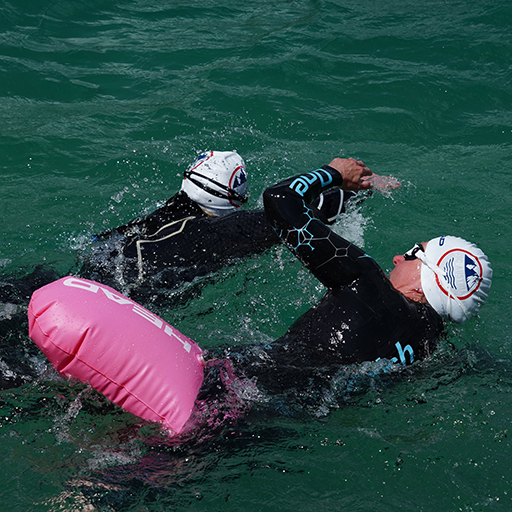
When we first step into the open water, it can feel like entering a different world. The vast expanse of the ocean, with its unpredictable currents and rolling waves, presents a realm far removed from the controlled environment of a swimming pool. This transition can be quite daunting at first, with the ocean’s sheer magnitude and untamed nature challenging even the most seasoned swimmers. However, the journey to becoming an accomplished open water swimmer is a deeply personal and varied one, unique to each individual. Whether you’re a competitive swimmer looking to test new waters, or a recreational swimmer seeking a connection with nature, the path from the pool to the open ocean is as diverse as the swimmers who embark on it.
As a swim coach and an avid swimmer, I want to share with you my insights and personal experiences in the captivating world of open water swimming. Whether you’re transitioning from the pool to the ocean or looking to refine your open water skills, this journey is as exhilarating as it is challenging.
My foray into open water swimming began in 2007 when I decided to expand my horizons beyond the pool. The structured, predictable environment of pool swimming had been my domain for years. However, a growing curiosity about the unbounded waters of the ocean led me to the Clovelly Ocean Pool in Sydney’s eastern suburbs. This marked a significant shift in my swimming journey.
Swimming in the ocean was a whole new ball game. The first time I swam at Clovelly, the vastness of the ocean and its relentless, and sometimes massive, waves were both daunting and invigorating. It was a stark contrast to the calm, chlorinated waters I was used to. I had to learn to read the water, anticipate its rhythms, and adjust my stroke and strategy on the fly.
One essential realisation from my transition to open water was the importance of community and support. Joining a club of like-minded individuals was a game-changer. It provided me with a wealth of shared knowledge, camaraderie, and the kind of motivation that only a group of passionate swimmers can offer. If you’re looking to gain experience in open water, I highly recommend finding a local swimming club or group. The collective wisdom and support of a community are invaluable.
In terms of training, both the ocean and the pool have been integral to my development. In the ocean, I focused on acclimatisation and navigation. The ‘Sighting Drill‘ became a staple, helping me maintain a straight course by lifting my eyes above the waterline to sight a fixed point on the shore.
In the pool, I emphasized building stamina and agility. The ‘Buoy Turn Drill’ was particularly beneficial, helping me practice quick, agile turns around a marker, simulating race conditions. Long, steady ‘Endurance Sets‘ in the pool were also crucial, mirroring the sustained effort needed in open water swims.
Beyond technique, open water swimming taught me resilience and adaptability. Each swim in the ocean was a lesson in embracing the unknown and finding joy in the challenge. It was about learning to respect and adapt to the unpredictable nature of the ocean.
Gaining experience in open water swimming is a vital aspect of enhancing performance, particularly for athletes participating in triathlons, Ironman competitions, or ocean swimming races. The skills, adaptability, and mental fortitude developed through open water training directly translate to improved performance in these challenging events. Every session in the open ocean hones a swimmer’s ability to navigate unpredictable conditions, manage energy efficiently, and stay mentally focused amidst the vastness of the natural water body. This acquired proficiency not only elevates a swimmer’s competitive edge but also enriches their overall experience, providing a deeper connection with the sport and the environment. Whether you’re battling the waves in an ocean race, enduring the long swim leg of an Ironman, or navigating the waters in a triathlon, the experience gained in open water is an invaluable asset that can make all the difference in your performance and enjoyment of the sport.
 AquaEdge Swim Academy
Leave a comment