
- Core Strength in Swimming: Discover the pivotal role of core stability in enhancing performance for open water swimming.
- Key Exercises for Core Development: Learn about effective dryland exercises and in-pool drills to build and maintain core strength.
- Incorporating Core Training in Swimming: Explore practical tips for integrating core strengthening exercises into your regular swim training routine.
- Balance and Consistency: Understand the importance of a balanced approach to core training, combining both dryland and in-water workouts.
- Maximising Performance: Find out how actively engaging your core during swimming can lead to improved stability, efficiency, and overall swimming performance.
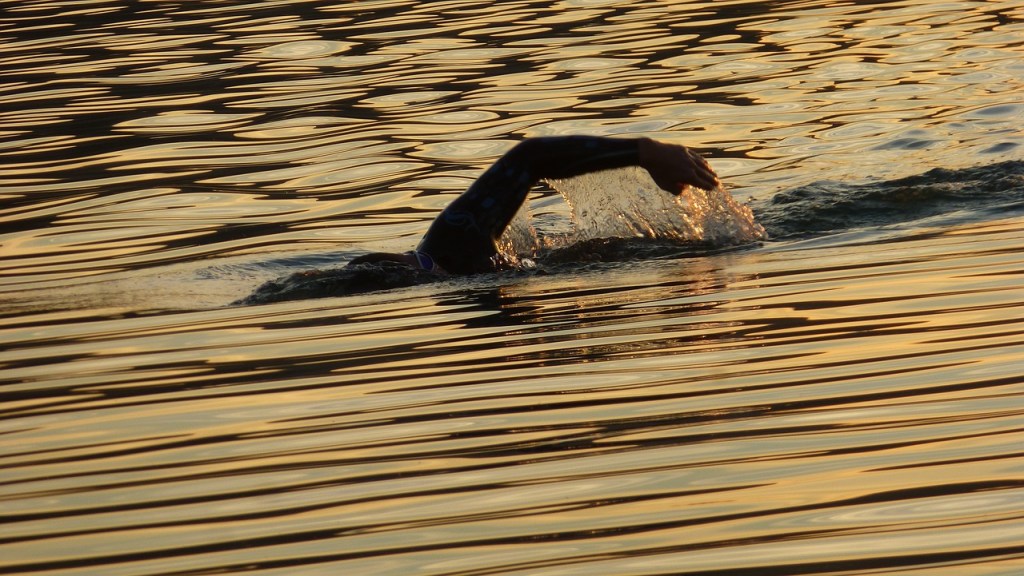
This morning, as I waded into the relatively choppy waters at South Melbourne Beach, I was greeted by the kind of conditions that make every open water swim a unique challenge. The waves were rolling in with more vigour than usual, and the wind seemed to playfully toss the water around, creating an ever-changing landscape that demanded constant adaptation. It was during this swim, while navigating through the lively waters, that my thoughts turned towards the concept of stability in open water swimming. The unpredictable nature of the sea, with its ever-shifting waves and currents, presents a unique set of challenges that can only be effectively met with a strong, stable core. It’s in environments like this that the true importance of core stability comes to the forefront, not just for performance, but for safety and efficiency in the water.
Reflecting on my swim this morning, I realised that stability in the open water is a skill honed not just by hours of practice but also by understanding and adapting to the whims of nature. In this blog, I aim to delve deeper into this topic, exploring how swimmers can develop and utilise core strength to maintain stability, even in the most challenging conditions.
Firstly, it’s important to understand why core stability is vital for swimmers, particularly those braving the open waters. The core – encompassing the muscles of the abdomen, lower back, and hips – is essentially the powerhouse of our body. It’s the central link connecting the upper and lower body, and in the context of swimming, it plays a pivotal role in maintaining balance and streamlining in the water. For open water swimmers, who often face unpredictable conditions and longer distances, a strong and stable core is indispensable. It ensures efficiency in strokes, helps maintain a consistent body position, and reduces the risk of injury by supporting the spine.
Open water swimming, stability assumes a heightened significance compared to pool swimming, primarily due to the unpredictable and dynamic nature of open waters. Unlike the controlled environment of a swimming pool, open water conditions are variable and often challenging, with factors such as waves, currents, and even wind playing a substantial role. These external elements can greatly affect a swimmer’s balance and streamline, making it essential to have a strong, stable core to maintain efficient body position and navigation. A stable core acts as an anchor amidst these changing conditions, helping swimmers adapt their strokes to the varying demands of the water while conserving energy. This ability to maintain stability in the face of environmental fluctuations not only enhances performance but is also crucial for safety in open water scenarios, where conditions can change rapidly and unexpectedly. For open water swimmers, core stability isn’t just a performance booster
Now, how do we build this core strength? The journey begins both in and out of the water. Dryland training is a key component. Exercises such as planks, Russian twists, and Pilates offer a great way to strengthen the core muscles.
Planks, for instance, are superb for enhancing endurance in the core muscles, essential for long swims. They can be varied in difficulty, from forearm planks to side planks, catering to different skill levels.
Another useful exercise, which can be done in the open water or the pool, is vertical kicking, where you maintain an upright position in the water, using only your legs to keep afloat. This not only works the leg muscles but also engages the core significantly, especially when done with hands out of the water.
Integrating these exercises into your routine requires a balanced approach. It’s not just about the intensity but also the consistency. I recommend a mix of dryland and in-water workouts at least three times a week. This ensures a comprehensive development of core strength without overexertion.
Another aspect to consider is the integration of core strength in actual swimming. It’s not just about having a strong core but also about using it effectively while swimming. This means focusing on engaging the core during each stroke, which ensures better stability and efficiency. For instance, during freestyle, actively engaging the core helps in maintaining a streamlined position, reducing drag, and facilitating a more powerful leg kick.
Lastly, it’s crucial to listen to your body. Building core strength is a gradual process, and it’s important to avoid overtraining. Incorporating rest days and varying the intensity of workouts will not only prevent injuries but also aid in better muscle development.
For open water swimmers, a strong and stable core is not just an advantage; it’s a necessity. It’s the foundation upon which superior swimming performance is built. By incorporating a mix of dryland exercises, in-pool drills, and mindful swimming, one can significantly enhance their core strength, leading to better stability, efficiency, and overall performance in the water.
 AquaEdge Swim Academy
Leave a comment