
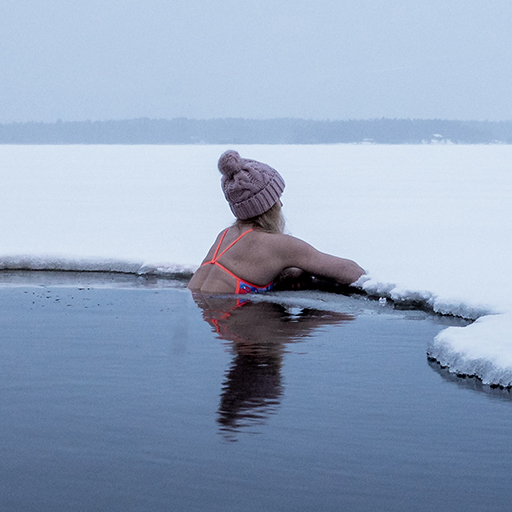
Key benefits of open water swimming
- Health Benefits Galore: Cold water swimming boosts immune function, enhances circulation, and reduces inflammation, contributing to better overall health.
- Mental Clarity and Mood Improvement: Regular immersion in cold water can elevate mood and combat anxiety and depression through endorphin release and increased mental resilience.
- Community and Connection: Participating in cold water swimming fosters a strong sense of community and camaraderie among swimmers, enriching the social experience.
- Mindfulness and Presence: The immersive experience of swimming in natural settings helps promote mindfulness, improving focus and bringing balance to everyday life.
- Confidence and Resilience: Overcoming the initial shock and discomfort of cold water can build confidence and mental toughness, positively impacting other areas of life.
As the seasons shift, the waters around Port Phillip Bay, currently a crisp 15.5°C, introduce a unique challenge for swimmers. Although this temperature is milder compared to the lowest winter temperatures in the Bay, which can plummet to 8°C, it demands a fresh strategy for those unaccustomed to chillier waters. If you’re primarily a pool swimmer or new to the ocean’s embrace and haven’t recently ventured into open waters, the idea of diving into colder seas may seem intimidating. Nonetheless, the manifold health and psychosocial rewards of open water swimming make it a pursuit worth undertaking.
Overcoming Apprehension and Embracing the Cold
Feeling wary or even scared about cold water swimming is perfectly normal. The initial shock, the biting cold, and the alien environment can all fuel this anxiety. However, with the appropriate mindset, you can conquer these hurdles and uncover profound benefits.
The Transformative Benefits of Cold Water Swimming
The health advantages of cold water swimming are extensive and varied. Dipping into cooler waters can notably enhance your immune system, aiding your body in warding off illnesses more effectively through the increased production of white blood cells, crucial for a strong immune defense.
Moreover, cold water boosts your circulation. As your body strives to maintain its core temperature, blood flow intensifies, which enhances cardiovascular health and overall vitality. This improved circulation also helps diminish inflammation and alleviates muscle aches and pains, positioning cold water swimming as an excellent recovery modality for athletes and those with chronic pain.
The mental health benefits are just as significant. The initial shock of cold water triggers an endorphin surge, elevating your mood and helping mitigate symptoms of depression and anxiety. Regular cold water exposure can also sharpen mental clarity and resilience, offering a natural uplift to your overall mental well-being.
Beyond personal health, cold water swimming often transforms into a communal ritual, fostering a sense of belonging and community among participants. Engaging with a local swim group or club provides a supportive network and cultivates enduring friendships. The collective experience of braving the cold waters together forges a unique camaraderie.
Additionally, the immersive nature of swimming in open waters promotes mindfulness. Concentrating on your breathing, the rhythm of your strokes, and your surroundings helps anchor you in the present moment. This practice of mindfulness can extend into other aspects of your life, enhancing calm and equilibrium.
Facing and overcoming the initial discomfort of cold water swimming can significantly bolster your confidence. Each swim represents a personal triumph, building mental toughness and resilience. This newfound confidence can positively influence other areas of your life.
Strategies for Acclimatisation
For newcomers to ocean swimming or those unaccustomed to colder waters, here are some tips to help you acclimate:
1. Start Slow: Initiate with brief swims and gradually extend the duration. This strategy allows your body to adjust to the cold without overwhelming it. Begin with swims lasting just a few minutes, and slowly extend them as you grow more accustomed.
2. Controlled Breathing: The initial cold shock can trigger a sharp intake of breath and a rapid heartbeat. Practicing controlled breathing can help manage this response, allowing you to stay calm and focused during your swim.
3. Appropriate Gear: Donning a well-fitted wetsuit, neoprene caps, gloves, and booties can be an option for very cold waters. This gear helps preserve body heat, making the experience more tolerable and sustainable.
4. Post-Swim Recovery: A gradual rewarming process post-swim is vital to prevent shocking your system. This can include a warm shower, layering up, and enjoying a hot beverage. This careful rewarming is crucial for stabilising your body temperature after a cold swim.
5. Nutrition and Hydration: Maintaining a balanced diet and staying hydrated can significantly influence your body’s capacity to handle cold waters. Consuming warm, easily digestible foods and beverages post-swim aids in recovery.
6. Consistency: Regular exposure to cold water is the best way to acclimate. Consistent swimming, even on colder days, trains your body to adapt. However, it’s essential to listen to your body and gradually increase your exposure to cold waters.
Embracing the Challenge
Each swimmer’s journey to acclimatising to cold water is unique. Pay attention to how your body reacts to cold water and adjust your acclimatisation process accordingly. Building endurance and resilience to cold water is a gradual process.
Remember, the journey of acclimating to the cooler waters of Melbourne’s beaches should be approached with patience and respect for the natural elements. Embrace the challenge, enjoy the unique sensations, and relish the sense of achievement that comes with mastering cold water swimming. This journey not only enhances swimming skills but also bolsters mental and physical resilience, preparing you for a wide range of swimming experiences.
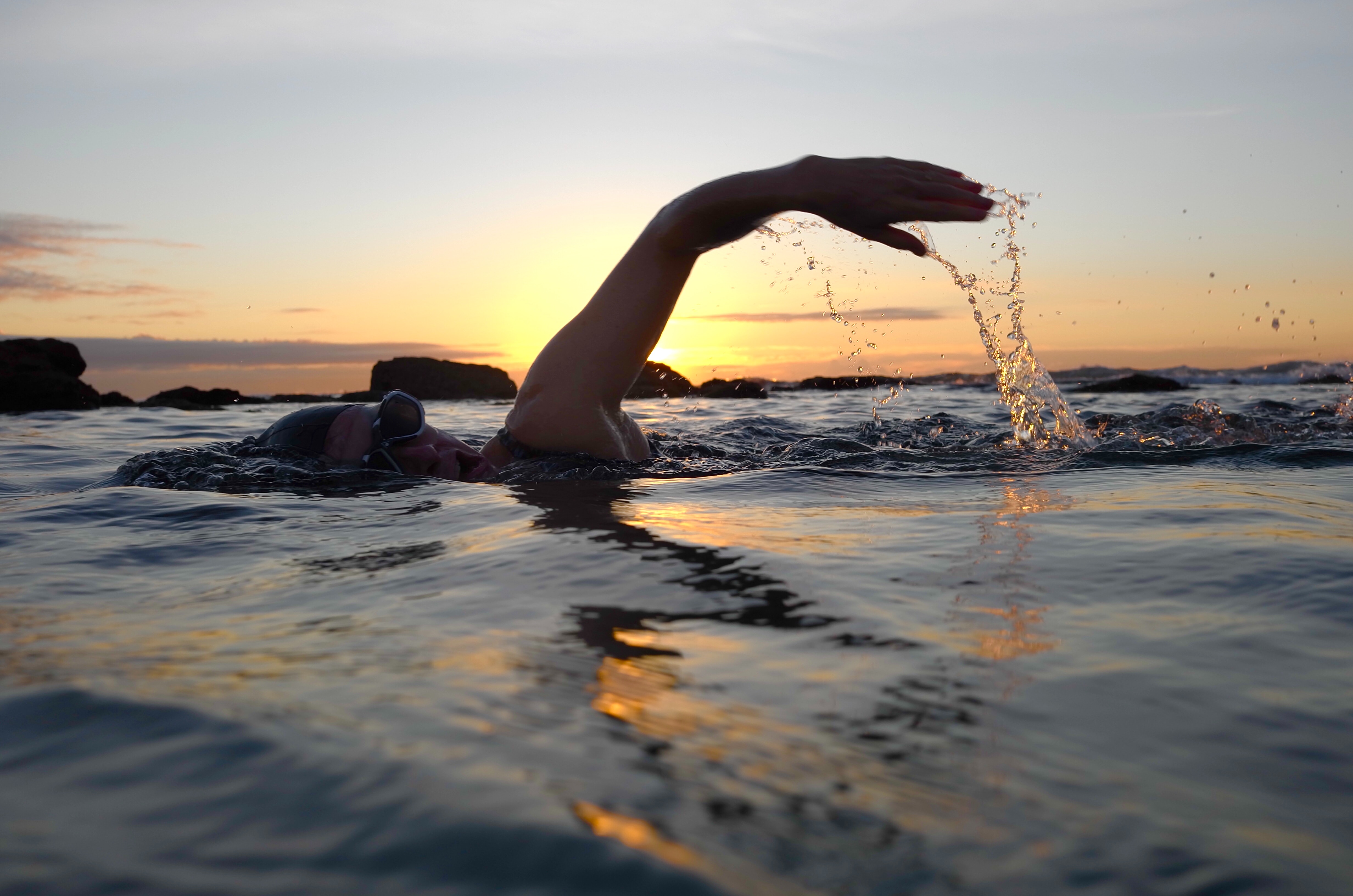
Absolute Beginner?
We have you sorted.
Have you always dreamt of gliding through open waters but felt held back by nerves? Or are you an aspiring triathlete excelling in running and cycling but hesitant about the swim? At AquaEdge, we specialise in transforming apprehension into achievement. Our experienced coach creates a nurturing and safe environment, perfect for beginners and first-time triathletes. We’re not just about teaching you to swim; we’re about instilling confidence, building skills, and turning your aquatic aspirations into reality. Join us for a completely obligation free 15 minute open water swim assessment.
 AquaEdge Swim Academy
Leave a comment