

ABOUT ME
Andy is a swim coach, waterpolo player and a competitive open water swimmer.
Hi there, I’m Andy, the passionate force behind AquaEdge Swim Academy. As a seasoned water polo player and a competitor in both pool and open water swimming events, I’ve now dedicated my life to the exhilarating world of aquatic sports. My journey in the water has been one of constant learning, challenging limits, and embracing the sheer joy of swimming.
With the launch of AquaEdge, I’ve turned my passion into a mission: to guide and inspire swimmers of all levels to achieve their personal best. Through this blog, I aim to share insights, tips, and stories from my own experiences and professional journey. Whether you’re a beginner taking your first strokes, a triathlete aiming for your next race, or someone who shares my love for the thrill of water polo, there’s something here for you.
Join me as we dive into the world of swimming, explore effective techniques, and celebrate the victories, big and small, in and out of the water. Welcome aboard!
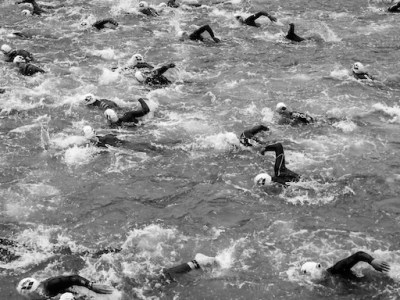
Unlocking the Secrets of Open-Water Swimming Performance
Here are the most critical points from the latest research insights on open-water swimming and how they can be applied in your training: I’m always on the lookout for research that sheds light on what it takes to excel in open water events, like the Pier to Perignon, Portsea Classic, or the iconic Pier to Pub. Whether you’re an elite-level competitor, a dedicated triathlete, or preparing for your next Ironman, understanding the science of swimming endurance can give you a real edge. A recent study published in Physiologia explores the physiological factors that help elite open-water swimmers perform at their…
Keep reading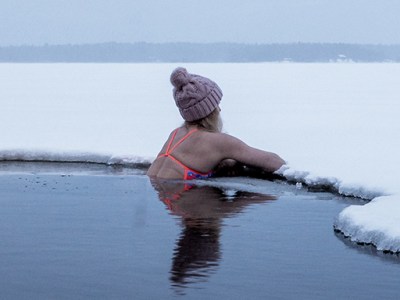
5 Shocking effects of cold water swimming on your body
Key benefits of open water swimming As the seasons shift, the waters around Port Phillip Bay, currently a crisp 15.5°C, introduce a unique challenge for swimmers. Although this temperature is milder compared to the lowest winter temperatures in the Bay, which can plummet to 8°C, it demands a fresh strategy for those unaccustomed to chillier waters. If you’re primarily a pool swimmer or new to the ocean’s embrace and haven’t recently ventured into open waters, the idea of diving into colder seas may seem intimidating. Nonetheless, the manifold health and psychosocial rewards of open water swimming make it a pursuit…
Keep reading
The secret pool workout that predicts open water race success
Key Points to remember As an open water swim coach, I firmly believe that mastering the swim leg is absolutely critical for both elite and amateur triathlon success. While open water conditions present unique challenges compared to pool environments, there is valuable predictive insight that can be gleaned from a particular pool-based lactate testing protocol. The research study conducted by Sellés-Pérez et al. (2023) examined a grueling 7×200 meter test set performed by 18 male triathletes ranging from national-level talents to world-class elites. This set involved progressively increasing intensities, with blood lactate levels measured after each 200m repetition. For those…
Keep readingHow to boost confidence in open water swimming
Key Points to remember As an open water swim coach training triathletes, Ironman competitors, and pool swimmers, I’ve guided many athletes through their first foray into open water swimming. It’s a thrilling but daunting transition, especially for those accustomed to the structured environment of a pool. The experiences of first-time open water swimmers can be quite profound, and understanding these challenges is the first step in helping them adapt and thrive. I have coached many dedicated pool swimmers who have decided to venture into open water. In the pool, they were used to the clear visual cues such as lane…
Keep reading
How to swim effectively in choppy water
Key Points to remember The churning chop kicks up without warning, with white rough whitecaps sloshing over you as you try to stroke through the turbulence. It’s a scenario every open water swimmer in Melbourne has dealt with time and again out in the notoriously choppy waters of the Bay. Inevitably, the question always arises: “Coach, what can I do to swim faster and more efficiently when it gets this rough?” I know just how demoralising and draining it can feel to battle through choppy conditions. That constant destabilising churn wrecks your rhythm, body position, and mental focus. It’s easy…
Keep reading
The Power of a high Stroke Rate in Open Water Success (Part 3)
In the world of open water swimming, where every stroke counts towards your success, striking the perfect balance between stroke rate and distance per stroke is like uncovering a hidden treasure. In my previous two articles, I explored the significance of a high stroke rate in achieving success in open water swimming. Yet, as we delve deeper into this subject, it becomes apparent that there’s a crucial factor to consider: the law of diminishing returns. A high stroke rate has long been lauded as a fundamental element for success in open water swimming. It serves as the driving force behind…
Keep reading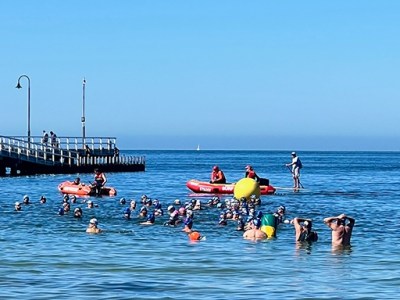
The Power of a high Stroke Rate in Open Water Success (Part 2)
As I reflect on the thrill and challenge of the recent South Melbourne Port to Park Swim, a emerging key event in Melbourne’s open water swimming scene, I’m struck by the crucial role of stroke rate in competitive swimming. This event, featuring both 1.1km and 2.2km courses, was a perfect opportunity to explore the themes I touched on in my previous blog, “The Power of a High Stroke Rate in Open Water Success (Part 1).” Particularly, it highlighted the striking differences in stroke rates between elite and non-elite swimmers – a subject that has always fascinated me in my journey…
Keep reading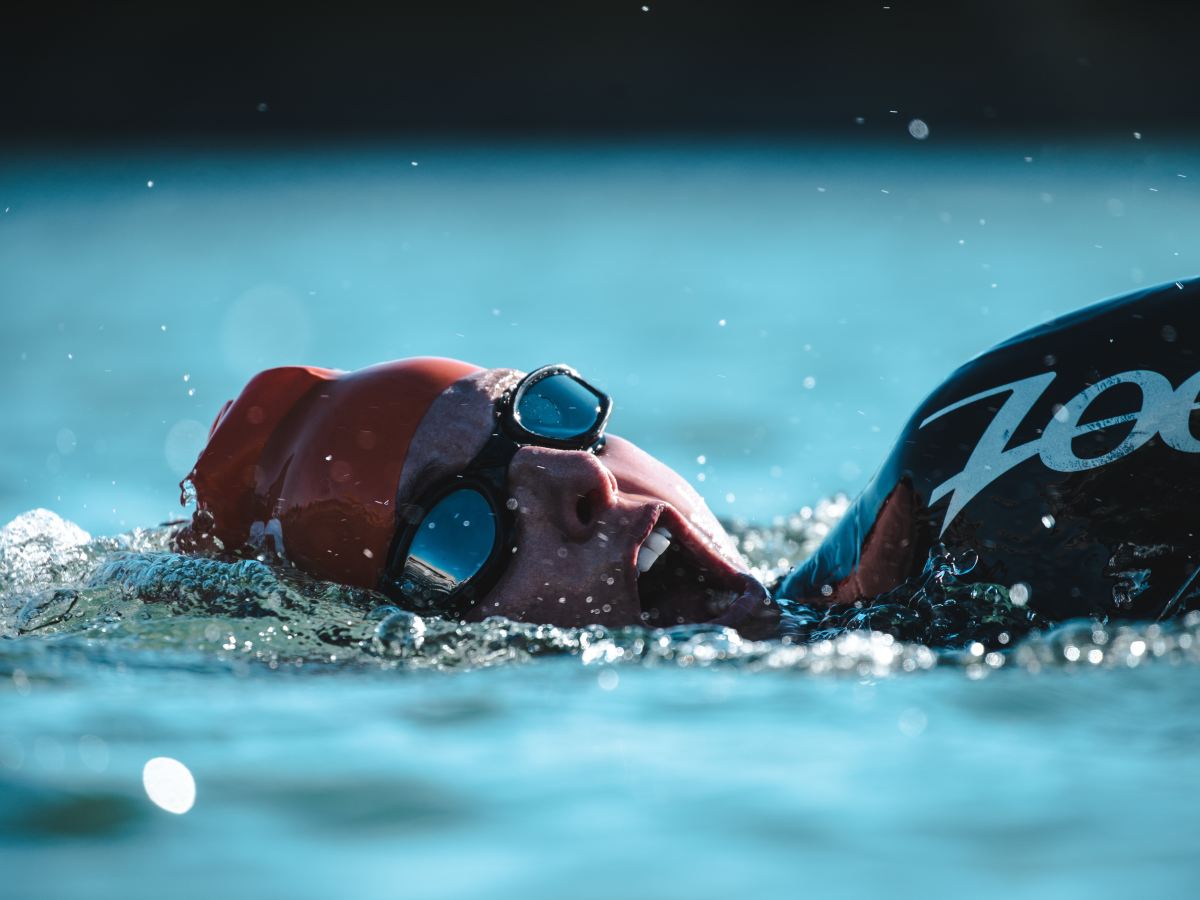
The Power of a high Stroke Rate in Open Water Success (Part 1)
In the world of competitive swimming, particularly in the challenging arena of open water racing, one factor that often differentiates the elite from the rest is their stroke rate. As someone immersed in the world of swimming, both as a competitor and a coach, I’ve always been fascinated by the stark differences in stroke rates between elite and non-elite swimmers. This intrigue led me conduct analysis of elite open water races, examining the strokes per minute at pivotal race moments: the turn at the first buoy and the race’s conclusion. The findings, derived from detailed observations of Men’s and Women’s…
Keep reading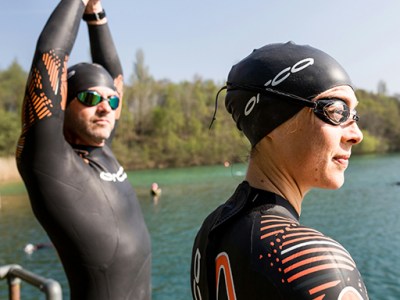
How to develop a smart race strategy
Developing a smart race strategy for open water swimming requires a blend of physical preparation, mental toughness, and tactical acumen. As an open water swim coach and competitor, I’ve found that the nuances of race strategy are often what differentiate a good swim from a great one. Firstly, understanding the course is paramount. Knowing where the buoys are and planning your route can be crucial to success. A smart strategy might involve starting strong to get a good position, but not so fast that you burn out early. The importance of pacing and positioning right from the start of the…
Keep reading
How to optimise head position for reduced drag
Swimming is not just about speed; it’s also about efficiency. Reducing drag in the water can significantly improve your performance in the pool and open water events. One key aspect of minimising drag is optimising your head position. In this post, I’ll share insights on how to achieve the ideal head position for reduced drag. As a passionate swimmer myself, I’ve always been fascinated by the intricate details of technique, and head position is no exception. It’s amazing how a small adjustment can make a big difference in your swimming experience. Let’s dive into the science and art of mastering…
Keep reading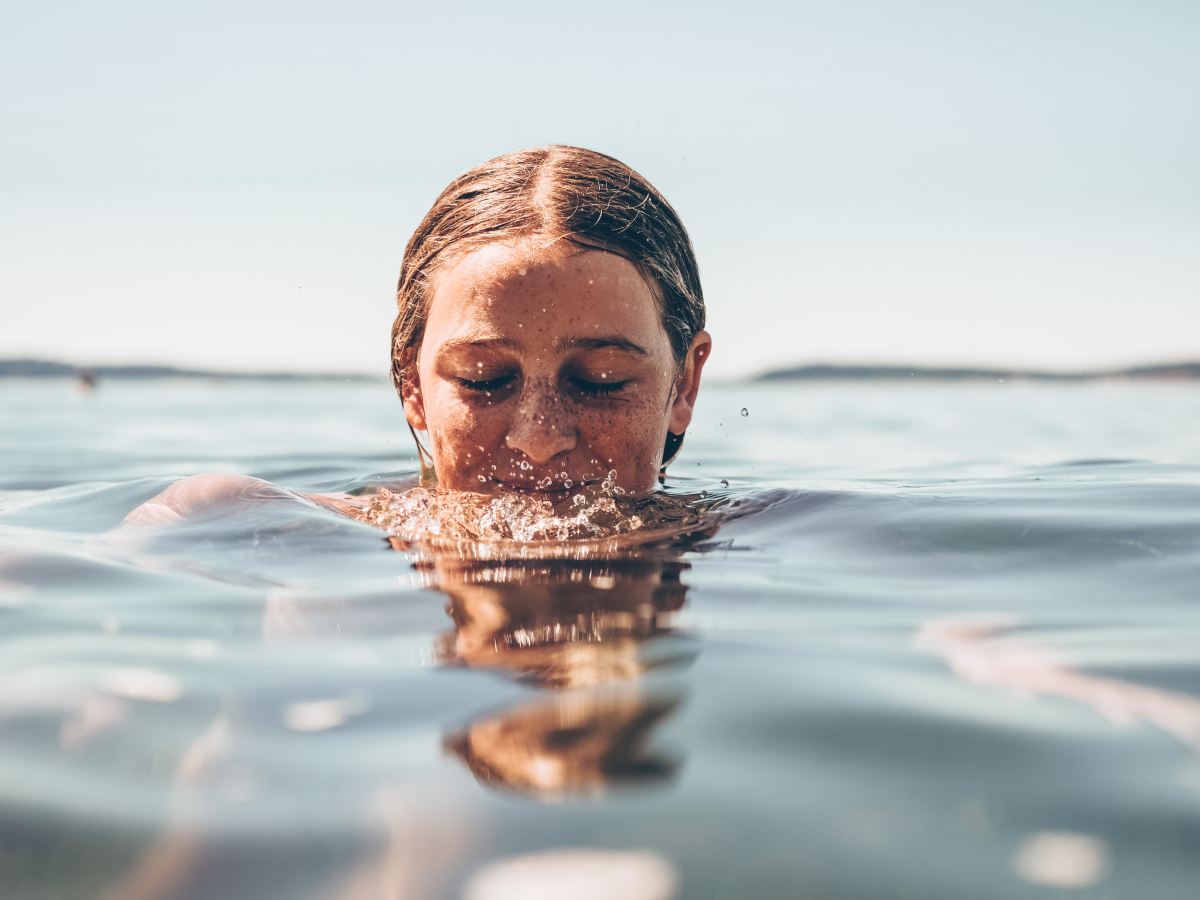
“I get headspace here… you forget everything when in open water”
As we bask here in Melbourne in the onset of summer holidays, a time teeming with opportunities for outdoor adventures, our attention turns to the exhilarating world of open water swimming (OWS). This festive season presents the perfect backdrop to explore a recent study that delves into the motives and benefits of OWS. Titled “I get headspace here… you forget everything when in open water,” this recent study by the Institute of Health, University of Cumbria in Lancaster offers a deep dive into why individuals are drawn to and benefit from OWS. Its findings resonate with the growing enthusiasm for…
Keep reading
How to build cardiovascular endurance for long swims
Embarking on our normal Wednesday “Endurance Daze” swim in Bay off South Melbourne Beach, I found myself reflecting on a crucial aspect of open water swimming – cardiovascular endurance. This contemplation isn’t just a swimmer’s musing; it’s a vital element in my weekly routine, which includes not only open water swims but also two 90-minute water polo training sessions and a game each week. These activities have been instrumental in enhancing my cardiovascular fitness, an essential component for any swimmer, especially those who venture into the open waters. The significance of cardiovascular endurance in swimming, more so in open water…
Keep reading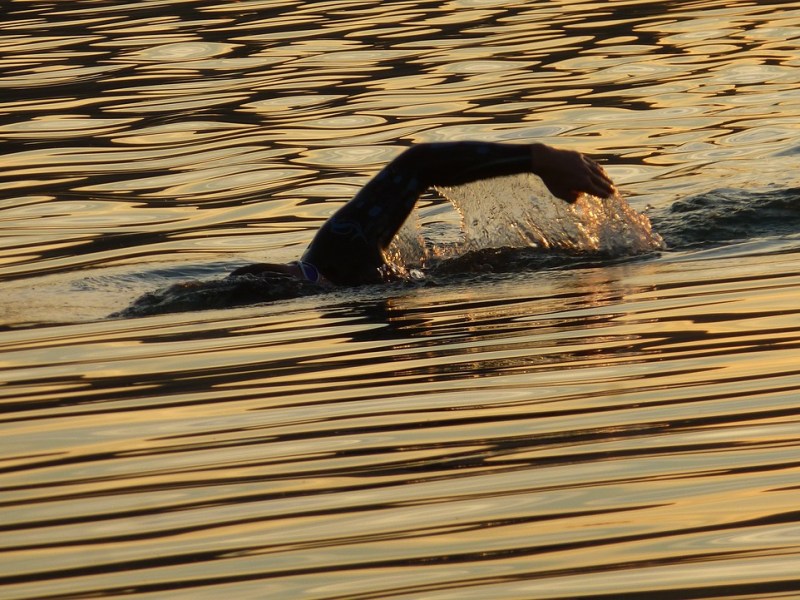
How to develop core strength for stability in water
This morning, as I waded into the relatively choppy waters at South Melbourne Beach, I was greeted by the kind of conditions that make every open water swim a unique challenge. The waves were rolling in with more vigour than usual, and the wind seemed to playfully toss the water around, creating an ever-changing landscape that demanded constant adaptation. It was during this swim, while navigating through the lively waters, that my thoughts turned towards the concept of stability in open water swimming. The unpredictable nature of the sea, with its ever-shifting waves and currents, presents a unique set of…
Keep reading
How to increase muscular strength for swimming
Oh Boy! Taking on the topic of strength training for swimmers is a scary activity. It’s a hugely opinion led and emotionally based topic for coaches and swimmers alike. Maybe we are seeing a way out of this subject matter labyrinth with the latest research from Faculty of Training and Sports Sciences, University of Applied Sciences Wiener Neustadt. As a veteran swimmer, I’ve witnessed firsthand how proper strength training benefits performance – both in the pool and open water. In the early days of my swimming we focused training almost exclusively on high volume aerobic work. But despite the mileage,…
Keep reading
How to maintain focus during training and racing
By Andy Jacobs As an experienced open water swimmer and coach, I’ve always found concentration to be the keystone of successful training and racing. It’s about focusing on the right thing at the right time. During my coaching career, I’ve emphasised the importance of a relaxed state of concentration, free from external pressures, to my swimmers. Concentration, in essence, is about paying attention to relevant factors while disregarding the irrelevant. It’s a challenging balance, especially with the myriad internal and external factors present in both practice and competition. But by understanding what to focus on – the “controllables” – and…
Keep reading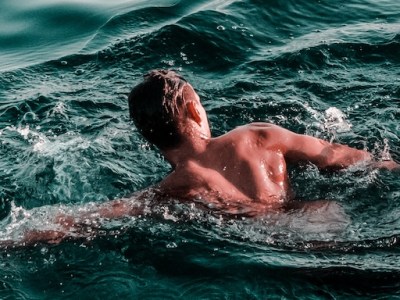
How to perfect hand entry and alignment
By Andy Jacobs I’m always on the lookout for techniques and drills that can significantly enhance a swimmer’s performance. Today, I’m diving into a crucial aspect of swimming that’s often overlooked but can make a real difference to your open water swimming – perfecting hand entry and alignment. In open water swimming, where conditions are unpredictable and every ounce of efficiency counts, getting your hand entry and alignment right is key. It’s not just about moving through the water; it’s about cutting through it with precision and power. Let’s start with hand entry. Your hand should enter the water about…
Keep reading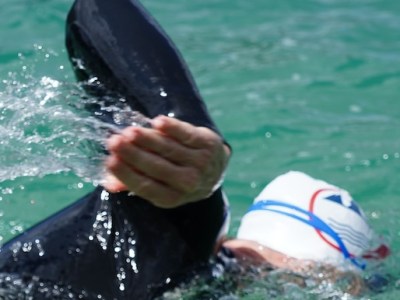
How to improve body rotation for better propulsion
By Andy Jacobs Today, I want to chat about something that’s a game-changer in open water swimming – improving body rotation for better propulsion. As an open water swimmer myself, I’ve learned that mastering this skill can really give you the edge, especially when you’re out there battling the waves and currents. First off, let’s talk about why body rotation is so crucial in open water. Unlike the calm waters of a pool, the open water is unpredictable. Good body rotation helps you cut through the water more efficiently, saving energy and increasing your speed. It’s all about making each…
Keep reading
How to build endurance for swimming long distances
By Andy Jacobs “Perseverance is not a long race; it is many short races one after another.” – Walter Elliot Swimming enthusiasts often seek the holy grail of endurance – the ability to swim faster and longer without fatigue. A recent study sheds light on exactly this, providing valuable insights for competitive swimmers. Involving 20 dedicated swimmers, this research focused on an endurance training program that not only challenged the athletes but also provided structured, measurable improvements. The essence of the study lies in its practical approach, blending endurance training with competition-specific demands. This dual focus ensures that the training…
Keep reading
How to master sighting and navigation
By Andy Jacobs Today, I want to delve into a skill that’s absolutely vital in open water swimming: sighting and navigation. It’s a skill that can make or break your performance in the open water, and here’s why. Did you know that you can add 20 percent or more to your overall open water swim race distance by not sighting effectively or often enough? We often see GPS swim tracks where swimmers have gone further than they expected. For example, swimming 2700m in a 1900m IRONMAN 70.3 swim due to poor sighting. Sighting every six to eight strokes and checking…
Keep reading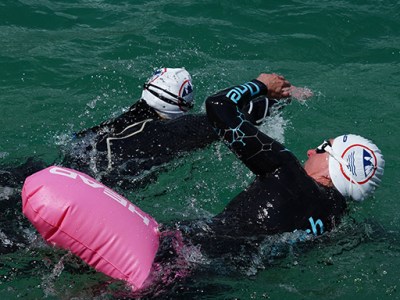
How to gain experience in open water
By Andy Jacobs When we first step into the open water, it can feel like entering a different world. The vast expanse of the ocean, with its unpredictable currents and rolling waves, presents a realm far removed from the controlled environment of a swimming pool. This transition can be quite daunting at first, with the ocean’s sheer magnitude and untamed nature challenging even the most seasoned swimmers. However, the journey to becoming an accomplished open water swimmer is a deeply personal and varied one, unique to each individual. Whether you’re a competitive swimmer looking to test new waters, or a…
Keep reading
How to pace effectively in races
By Andy Jacobs Mastering the art of pacing in open water swimming is akin to conducting a symphony; every stroke, every breath, and every turn is a note that contributes to the grand performance. The unpredictable nature of open water races, with their varying conditions and lack of lane lines, makes the ability to pace oneself effectively a crucial skill for every swimmer aspiring to excel in these environments. Pacing in open water swimming is not merely about maintaining a steady speed; it’s an intricate balance of energy conservation, tactical positioning, and psychological endurance. The key to effective pacing lies…
Keep reading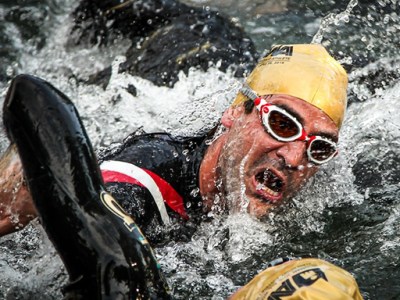
How to improve poor breathing coordination
By Andy Jacobs In the realm of open water swimming, mastering the coordination of breathing with strokes is a vital skill that can significantly enhance your performance and enjoyment. Swimming in the open water swimming poses unique challenges compared to pool swimming, including varying water conditions, the absence of lane lines, and the necessity of sighting. These factors make efficient breathing even more crucial. Firstly, let’s delve into the importance of synchronising your breathing with your strokes. In open water, maintaining a rhythmic breathing pattern helps conserve energy, maintain speed, and reduce the risk of water inhalation. The goal is…
Keep reading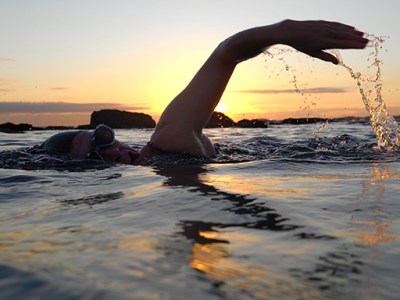
How to refine stroke technique for efficiency
By Andy Jacobs In the world of open water swimming, a challenge often faced by swimmers, both novice and experienced, is the inefficiency in their stroke technique. As a swim coach and a fervent open water swimmer myself, I have seen this issue affect performance, energy levels, and overall enjoyment of the sport. This post is a deep dive into how swimmers can enhance their stroke efficiency, a topic that resonates with me as I prepare for race season. The problem of inefficient stroke technique typically stems from a combination of factors: imbalances, lack of coordination, and insufficient propulsion. These…
Keep readingSubscribe
Sign up for a weekly newsletter with the latest blog posts and exclusive content. In your inbox every Tuesday!


 AquaEdge Swim Academy