Start with the swimmer
Your experience, confidence, health, recent swimming and the way you respond on the day all shape what is appropriate. A planned session is never more important than how you are actually feeling.
Good coaching responds to the swimmer and the environment. The plan can change whenever the pool, bay or your wellbeing requires it.
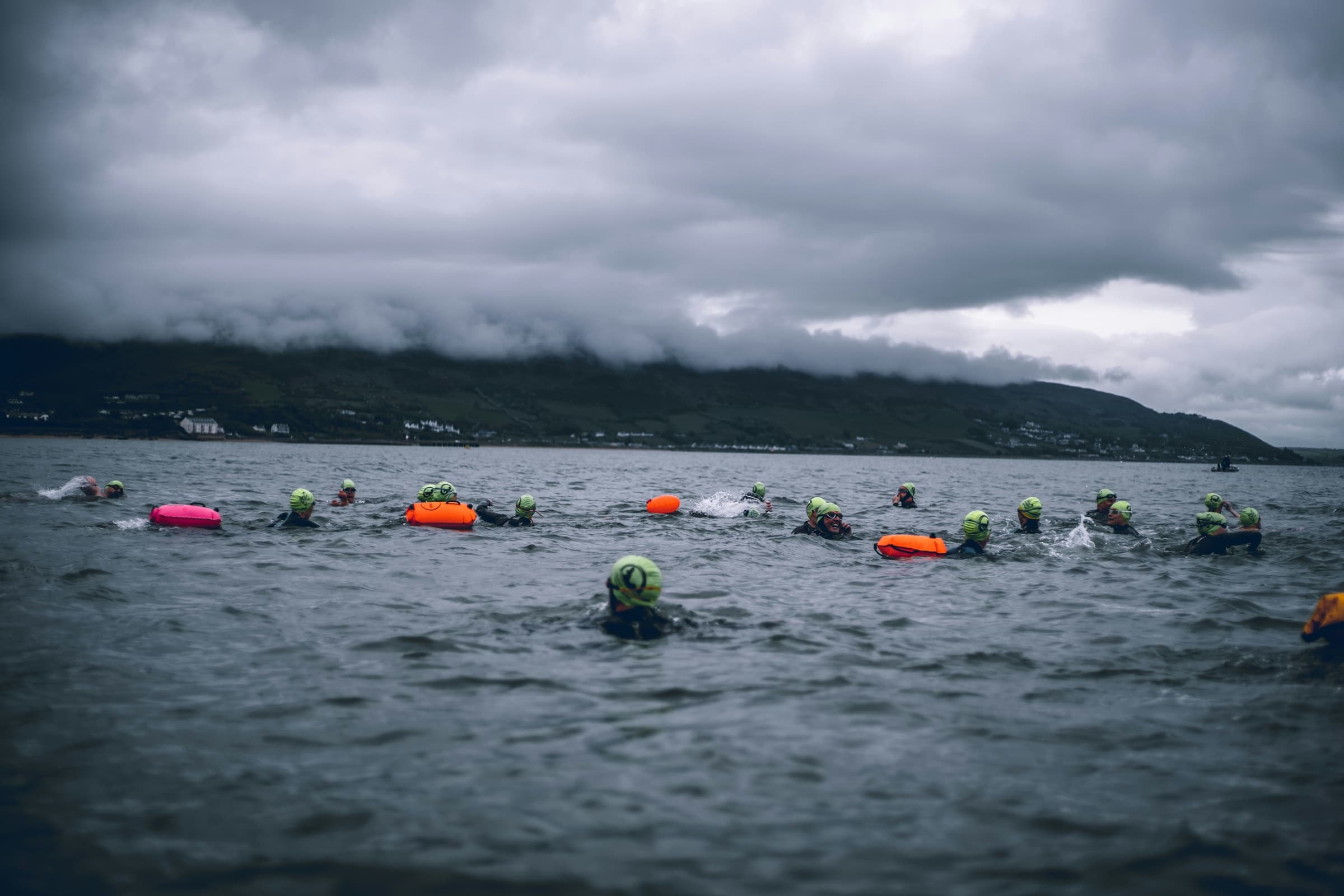
Safety is checked throughout a lesson, not just at the beginning. The goal is to create a useful challenge while preserving your ability to communicate, make decisions and stop when needed.
Your experience, confidence, health, recent swimming and the way you respond on the day all shape what is appropriate. A planned session is never more important than how you are actually feeling.
Lane traffic, water depth, facility rules, other swimmers and fatigue can change what is sensible. Instructions from MSAC staff and lifeguards always take priority.
Temperature is only one part of an open-water decision. Weather, wind, water quality, visibility, water movement and a safe entry and exit are considered before and during every beach session.
MSAC provides a supervised public-pool environment, but lifeguards supervise the facility as a whole. Your coach still watches your response closely and adjusts the lesson to your ability, the lane and the pool rules.
Open water changes from one visit to the next. Beach sessions are only offered seasonally and when the swimmer, location and conditions support a sensible lesson. Being above 16°C does not, by itself, make a session safe.
Planning a beach lesson?
SeaSense by AquaEdge lets you choose a day and time, compare Melbourne beaches and review factors such as wind, waves, runoff and water-quality risk. Checking first can reduce the chance of choosing a day that is clearly unsuitable and help you make a better-informed booking.
SeaSense is a planning guide, not a guarantee. Forecasts can change, official EPA advice should still be checked and the final decision is made from conditions at the beach.
Private coaching works best when concerns are raised before entering the water. Information is used to adjust the lesson, not to judge whether you are a “good” swimmer.
A lesson may be modified, moved, shortened, postponed or stopped when the coach considers the swimmer or conditions unsuitable. This may happen before entering the water or after the lesson has begun. Safety decisions take priority over completing a planned distance, drill or set.
Stop, signal and follow the directions of your coach, lifeguards or facility staff. In an emergency, alert the nearest lifeguard or call Triple Zero on 000. Do not enter the water to attempt a rescue unless you are trained and it is safe to do so.
Coaching supports skill development but cannot remove every risk associated with swimming. It does not replace medical advice, facility supervision or your own decisions when swimming independently.
Independent safety information
For broader Victorian water-safety guidance, current beach information and emergency advice, use the official resources below.