
Wellbeing
Free articleWhat cold water swimming does to your body
What to expect when you swim in colder water, how to acclimatise sensibly and why getting warm afterwards matters.
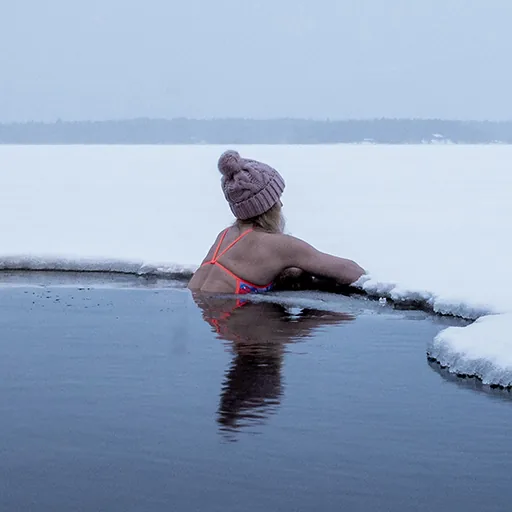
Port Phillip Bay can feel friendly in late summer and completely different a few months later. The first sign is usually the breath. A swimmer who was relaxed on the beach hits the water, gasps, tightens through the shoulders and starts moving much faster than intended.
Fitness helps, but it does not cancel the cold response. This is why I treat the first few minutes as their own part of the swim.
1. Your breathing may race
Cold water can trigger a sharp inhale and quick, shallow breathing. If you rush straight into freestyle, that response can make the stroke feel frantic.
Enter gradually when the location allows it. Put your face in, exhale into the water and wait for your breathing to settle before swimming away. If it does not settle, get out. The session can wait.
2. Your hands and feet lose dexterity
As a swim continues, cold hands can make goggles, zips and car keys surprisingly difficult to manage. That matters most after you leave the water, when judgement and coordination may already be slipping.
Have warm clothes open and ready. Keep the car key somewhere simple. If you wear a wetsuit, make sure you can remove it without a wrestling match.
3. Your stroke changes
Cold swimmers often shorten the stroke, lift the head and kick harder. Some of that is an attempt to create heat. Some is tension.
Do not chase perfect technique in the first minute. Find a breathing rhythm first, then check the basics: loose hands, low head, steady exhale and an effort you could hold. A shorter swim with a controlled stroke is better than a longer one completed in survival mode.
4. Mood and confidence can improve
Many regular bay swimmers describe the same things: a clear head, a lift in mood and strong friendships built around the water. I recognise all three.
Those experiences are real, but cold water is not a treatment for anxiety, depression or illness. The useful point is simpler: swimming outdoors can provide challenge, routine, company and a strong sense of being present.
5. You may keep cooling after the swim
Getting out is not the end of the cold exposure. Your core temperature can continue to fall while you stand on the beach talking. Shivering may become stronger and simple tasks may feel clumsy.
Dry off, remove wet clothing and add warm layers promptly. A warm drink can be pleasant, but clothing and shelter do the heavy lifting. This short guide to warming up safely is worth watching before winter.
A sensible way to acclimatise
Start with minutes, not distance. Swim with other people, stay close to an easy exit and choose conditions that leave you room to think. Repeat a manageable exposure before making it longer.
A wetsuit, neoprene cap, gloves or boots may make sense for you. They change the experience, but they do not make a cold swim risk free.
One final point: do not use extreme cold exposure as a test of character. This approach is not an acclimatisation method I recommend. Good open water decisions are usually unremarkable. You check the conditions, keep the swim within your ability and leave before the cold makes the decision for you.