
Open water
Free articleThe benefits of open water swimming: what does the latest research say?
What recent research tells us about open water swimming, wellbeing, confidence and connection, and why cold water claims need care.
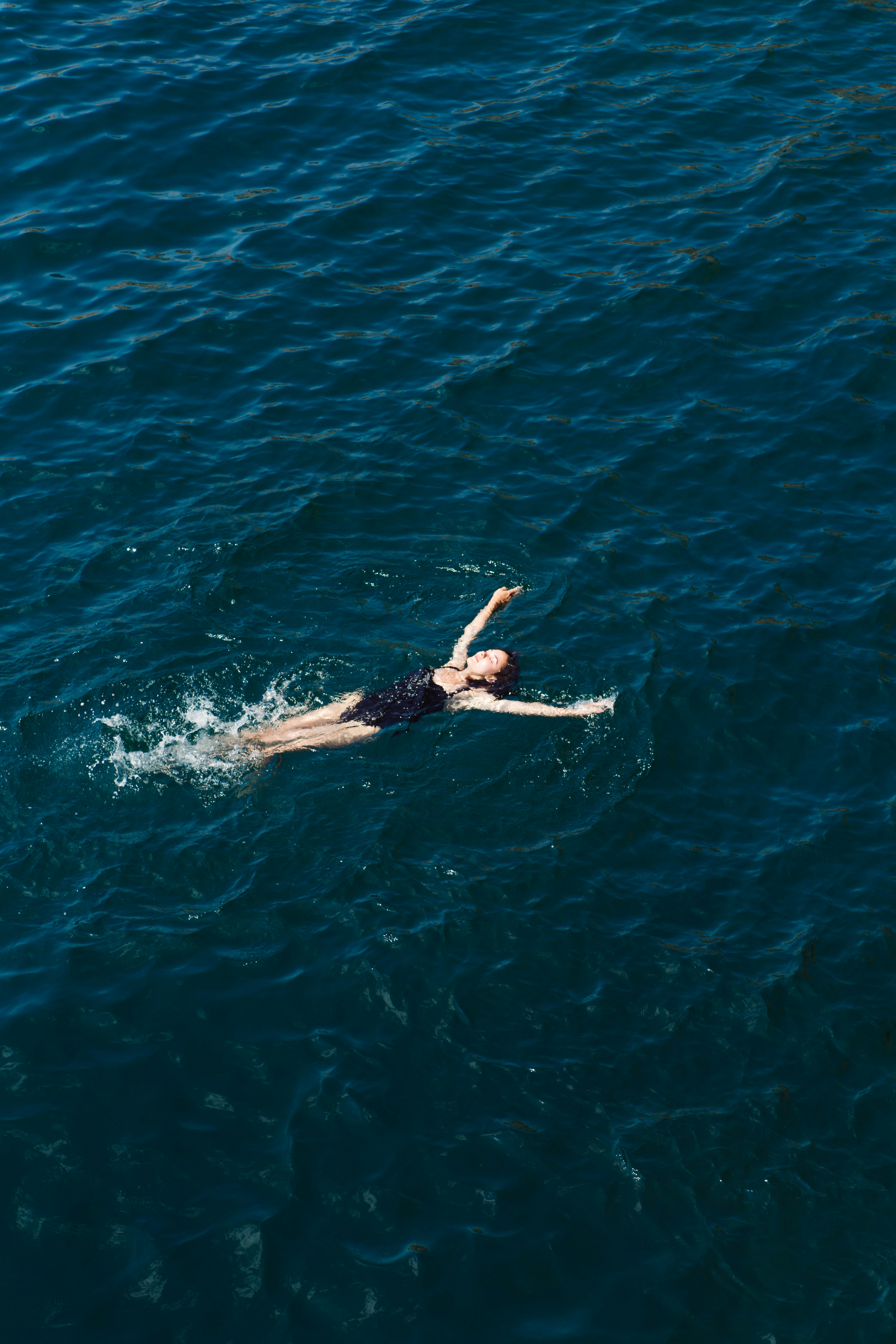
There is something memorable about swimming outdoors: the changing light, the feeling of moving through open water and the satisfaction of stepping back onto shore. For many swimmers, the appeal goes well beyond exercise.
Here in Melbourne, Port Phillip Bay brings that experience close to everyday life. A swim can become a reason to step away from work, spend time by the beach and get to know people in your local community. From Port Melbourne to Brighton and across the bay at Williamstown, there are clubs and informal groups built around that shared enjoyment.
Research is beginning to explore those experiences more carefully. Recent studies suggest open water swimming may support wellbeing, confidence and social connection. But how much do we know, and how much remains unproven?
The answer depends partly on separating the benefits of swimming outdoors from the effects of cold water itself.
More than a workout
Swimming offers the established benefits of physical activity, with water supporting the body and reducing the load on joints. Water based exercise can also improve mood and make movement more comfortable for some people with arthritis.[1]
Open water swimming adds a different setting: beaches, lakes and rivers, often shared with other swimmers. Researchers are investigating whether this combination of exercise, nature and companionship brings additional benefits.
A study published in March 2025 examined 1,200 recalled outdoor swimming visits across 19 countries. Open water swimming was associated with higher wellbeing than swimming in outdoor pools. Feelings of autonomy, having freedom and choice, and competence helped explain the relationship.[2]
That finding is encouraging, although it does not prove cause and effect. People who choose open water may differ from pool swimmers in other ways, and a survey cannot fully account for those differences.
A boost to confidence and everyday wellbeing
A small study published in June 2025 followed regular cold water sea swimmers using diaries completed twice each day over two weeks. The analysis, which included 13 women, found lower anxiety and greater self confidence on swimming days. Some benefits, including lower anxiety and better reported sleep, continued into the following morning.[3]
The study offers an interesting glimpse into swimmers’ everyday experiences. However, its small sample and observational design mean the findings should be treated as preliminary. Swimming days may also have involved more social contact, time outdoors or a different daily routine.
Still, the research raises a useful possibility: the value of a swim may extend beyond the time spent in the water.
Connection, enjoyment and a sense of achievement
For people who swim with others, the social experience may be part of the benefit.
The OUTSIDE feasibility trial, published in October 2025, randomly assigned 87 adults with symptoms of depression to either an eight session outdoor swimming course alongside usual care or usual care alone. Results favoured the swimming group across the measures assessed. Participants also described belonging, enjoyment and facing challenges with support.[4]
This was an early trial designed primarily to establish whether a larger study would be practical. It was not definitive evidence that outdoor swimming treats depression.
A larger study, OUTSIDE 2, was designed to recruit 480 adults to investigate clinical effectiveness and value for money. Its July 2026 publication describes the research plan rather than reporting the results.[5]
For now, outdoor swimming is best understood as a potentially helpful addition to wellbeing and existing care.
Does the water need to be cold?
This is where the evidence becomes less certain.
Open water swimming and cold water immersion are often discussed together, but they are not interchangeable. Swimming outdoors combines movement, surroundings and sometimes companionship. Sitting in an ice bath is a different activity.
A 2025 systematic review of 11 cold water immersion trials found some evidence of reduced stress at 12 hours after exposure, but not consistently at other time points. Evidence for sleep benefits was limited. The review also found a temporary increase in inflammation after immersion, challenging the popular claim that cold exposure simply “reduces inflammation”.[6]
The most recent review, published on 16 September 2026, examined 13 studies involving 4,105 participants. Although some findings favoured cold exposure for mood, stress and wellbeing, the evidence was inconsistent and most studies had substantial risk of bias. The authors concluded that psychological benefits were not yet established.[7]
These findings do not dismiss swimmers’ positive experiences. They show how difficult it is to identify which parts of the experience produce the benefit.
Making the experience worthwhile
The research gives us good reasons to keep exploring open water swimming, especially its potential to support enjoyment, confidence and connection.
It does not establish that colder water or longer exposure produces greater health benefits. Choosing manageable conditions and swimming safely matters: a supervised venue or organised group can help beginners build experience, while checking conditions and planning entry and exit points remain essential.[8]
A worthwhile swim does not have to be an endurance test. It can be an enjoyable way to move, spend time outdoors and connect with others, with promising research behind those experiences and important questions still to answer.
Finding your swimming community in Melbourne
You do not have to make open water swimming a solo pursuit. Melbourne has an active mix of social dipping groups, swimming clubs and organised sessions. The following are useful starting points, rather than a complete directory. Contact the organisers first to discuss your swimming ability, experience with cold water and the kind of swim you want to do.
Port Melbourne Icebergs
If you live near Port Melbourne, consider getting in touch with the Port Melbourne Icebergs. The group is associated with swimming near Port Melbourne Life Saving Club, with a social tradition of a dip followed by coffee and conversation. You do not need to chase a long swim to appreciate that sense of community.
Contact: Visit the Port Melbourne Icebergs Facebook page to ask about joining and confirm the current meeting place and times. The page is also linked by the Beacon Cove Neighbourhood Association. Avoid relying on older advertised schedules.
Brighton Icebergers at the Royal Brighton Yacht Club
The Brighton Icebergers swim throughout the year from the Royal Brighton Yacht Club near Brighton Pier. Their tradition involves swimming without wetsuits, so speak to the organisers about experience requirements and a suitable introduction rather than assuming a winter swim is right for everyone.
Contact: Use the Brighton Icebergers enquiry form. Their listed base is the Royal Brighton Yacht Club, 253 Esplanade, Middle Brighton.
Melbourne Open Water Swimming Club in Williamstown
The Melbourne Open Water Swimming Club is a community association based in Williamstown. It offers organised swimming opportunities and events, with information about its Saturday groups on the club website. Ask which session suits your ability and whether booking or membership is required.
Contact: Visit the Melbourne Open Water Swimming Club website or email admin@melbourneopenwaterswimmingclub.org, the enquiry address published by its local coaching partner.
More social groups at Williamstown Beach
Williamstown Swimming and Life Saving Club also describes local groups including the Willy Dolphins, Jellyfish and Williamstown Mussels. These groups have different routines and interests, from a social swim to longer outings. Being comfortable in deep water and changing conditions matters; a social group is not automatically a supervised lesson.
Contact: Start with Williamstown Swimming and Life Saving Club for information about the local swimming community and how to find the right group.
Before any bay swim, check the weather, local conditions and EPA Victoria water quality forecasts and alerts. Rain and pollution can affect water quality. Swim with others, plan your entry and exit, and choose a distance and temperature you can manage. Being in a group does not remove the risks of cold water or replace appropriate supervision.
How AquaEdge can help as the weather warms
If you like the idea of joining a group but want more confidence first, AquaEdge can help you prepare. Private adult pool coaching at MSAC runs throughout the year, so you can work on breathing, technique and swimming comfortably before taking those skills into the bay.
As Melbourne moves into the warmer months, AquaEdge offers private beach coaching from November to April, when conditions are suitable. Individual coaching can help you practise sighting, swimming a straighter course and adapting your breathing to open water. AquaEdge provides private coaching, rather than running the community groups listed above.
Explore AquaEdge coaching, book a private lesson, or contact Andy to discuss your experience and the best next step. There is no need to rush into cold water now. Building confidence and choosing a suitable day is a worthwhile place to start.
References
-
Centers for Disease Control and Prevention. (2024). Swimming and your health.
-
The psychological benefits of open water (wild) swimming: Exploring a self determination approach using a 19 country sample. (2025). Journal of Environmental Psychology, 102, 102558. Read the study.
-
Forsten et al. (2025). An exploratory study into the effects of regular cold water sea swimming on daily indices of mental health. Lifestyle Medicine. Read the study.
-
Massey et al. (2025). OUTSIDE: OUTdoor Swimming as a nature based Intervention for DEpression: A feasibility randomised controlled trial. Mental Health and Physical Activity, 29, 100723. Read the study.
-
Massey et al. (2026). OUTSIDE 2: Outdoor swimming as a nature based intervention, offered in addition to usual care, compared to usual care alone, in people with depression: A study protocol for a randomised controlled trial and economic evaluation. NIHR Open Research, 6, 84. Read the protocol.
-
Cain et al. (2025). Effects of cold water immersion on health and wellbeing: A systematic review and meta analysis. PLOS ONE, 20(1), e0317615. Read the review.
-
Ngandeu Schepanski et al. (2026). Cold water exposure and psychological outcomes in adults: A systematic review and meta analysis. Frontiers in Physiology, 17, 1926423. Read the review.
-
Royal Life Saving Society UK. (2025 update). Top recommendations for safer open water swimming.
Research reviewed up to 19 September 2026.