
Confidence
Free articleHow to build confidence in open water
A practical way to move from pool swimming into open water without treating fear as something to push through.
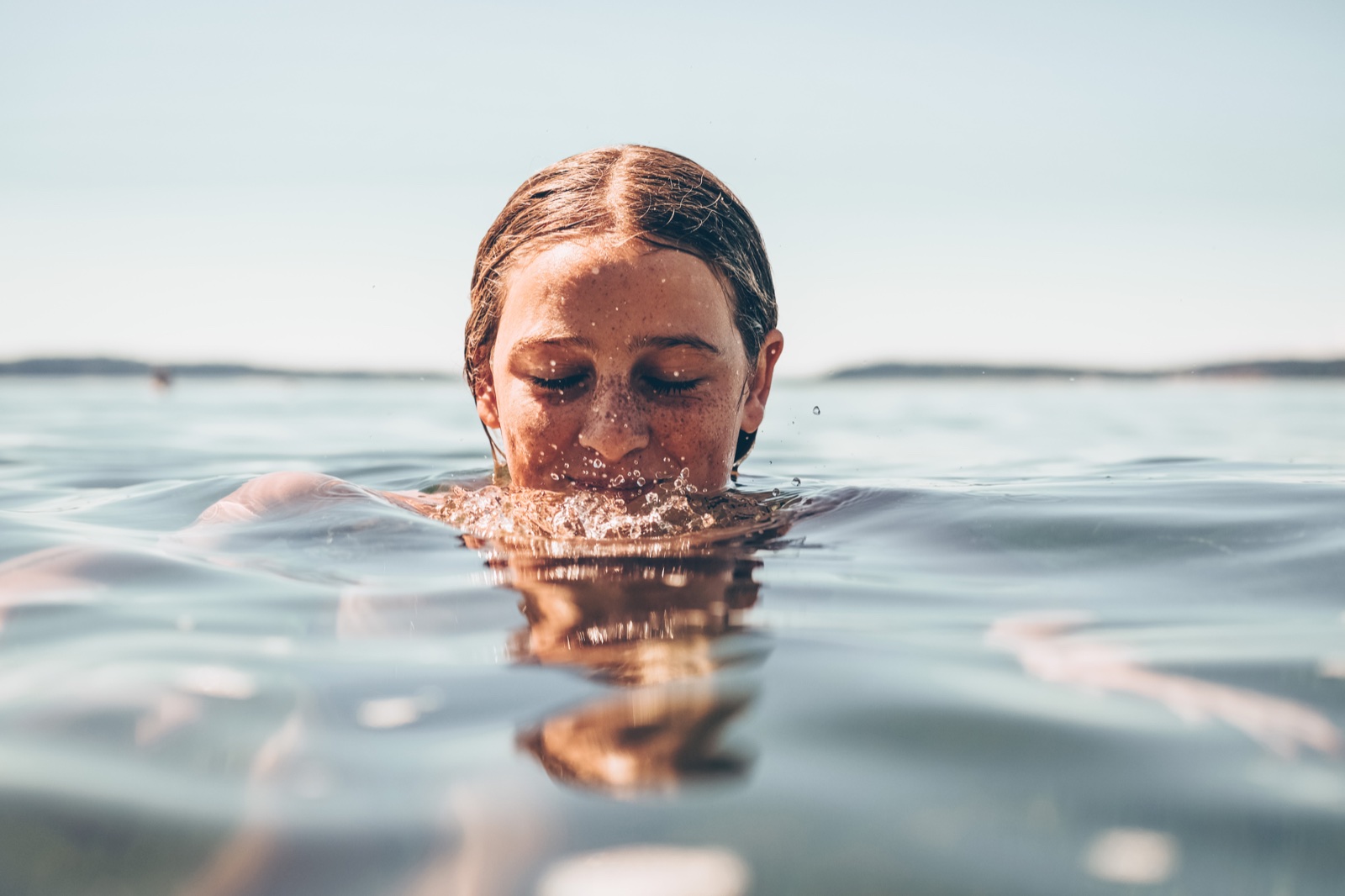
The first open water swim can be unsettling for a perfectly capable pool swimmer. The black line is gone. There is no wall every 50 metres. The water may be darker, colder and moving.
I have coached swimmers who can complete a strong pool session but feel exposed ten metres from shore. That reaction is not a verdict on their ability. It is their nervous system dealing with several unfamiliar things at once.
Make the first swim deliberately small
Choose a familiar beach, calm conditions and an easy exit. Swim parallel to shore rather than heading straight out. A short loop between two visible points is enough.
The goal of the first session is not distance. It is to enter, settle, orient yourself and return while you still feel in control.
Give yourself something clear to look at
Small buoys disappear behind chop. Pick a building, tree line or other large feature behind the direction you want to travel. Check it regularly.
If you drift, correct the line without turning it into a crisis. Everyone swims off course sometimes. Confidence grows when you notice the error and deal with it calmly.
Settle the breath before fixing the stroke
Cold water and anxiety both encourage a quick inhale and incomplete exhale. That can make you feel short of air even when the effort is low.
Pause near shore. Put your face in and breathe out slowly. Once you start swimming, keep the first 20 or 30 strokes easy. A quiet exhale is a better first cue than a long list of technical instructions.
Grounding can help when attention starts racing ahead. Notice the pressure of the water on your hands, the sound of the exhale or the position of the shore. The point is not to pretend fear has disappeared. It is to bring attention back to something you can check.
Test equipment before race day
A wetsuit changes buoyancy and shoulder movement. Tinted goggles change what you can see. Even a new cap can become an irritation when you are already tense.
Try one change at a time in easy conditions. Make sure the goggles seal, learn how the wetsuit feels around the neck and practise getting out of it. Familiar equipment removes one more question from the swim.
Use better self talk
“I must not panic” is rarely helpful. It keeps panic at the centre of attention.
Use a factual cue instead:
I can see the shore.
My breathing is slowing.
I can stop and float.
I am choosing the next 20 strokes.
This is close to the cognitive restructuring used in sport psychology: notice the alarming thought, test it against what is actually happening and replace it with a more useful statement. This paper discusses related techniques for performance anxiety.
Add difficulty one piece at a time
Once calm water feels familiar, introduce a little more distance, a busier group, a buoy turn or mild chop. Do not add all four on the same morning.
I often finish by asking a swimmer two questions: what felt easier than expected, and what still demanded too much attention? Those answers shape the next session better than a generic confidence score.
This video also has useful practical ideas for open water confidence.
Confidence is evidence gathered over time. A series of ordinary, well judged swims will do more for it than one dramatic effort that you barely endure.