
Open water
Free articleHow to sight and swim straighter in open water
A low, quick sighting action and a better choice of landmarks can save distance in open water.
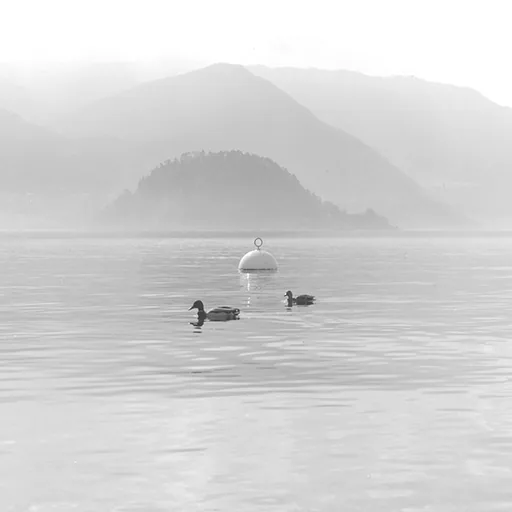
Poor navigation can turn a 1.9 kilometre race into a much longer morning. I have seen GPS files with great pace and a line that looks like a loose shoelace.
The solution is not simply to lift the head more. You need a useful reference and a sighting action that does not stop the stroke.
Pick something you can actually see
A race buoy looks large from the beach and small from water level. Before the start, find a building, tree, tower or dark section of coastline directly behind it.
Use the large landmark for direction. Use the buoy when you are close enough to judge the turn.
Keep the sight low
Press gently on the water with the lead arm and lift only the eyes above the surface. The mouth stays in the water. Read the picture quickly, lower the head and then take a normal side breath if you need one.
This is sometimes called alligator eyes. The name is useful because it discourages the full head lift that drops the hips.
Choose a sighting frequency
Six to ten strokes is a reasonable starting range, but it is not a law.
Sight more often when:
- the course changes direction
- chop hides the marker
- current is moving you sideways
- you are approaching a turn
Sight less often when you are holding a reliable draft and the line is clear. Even then, check for yourself. The feet ahead may be following the wrong swimmer.
Practise in the pool
Pick a mark at the end of the lane. Sight on it every six strokes while keeping your normal rhythm.
Then ask a friend or coach to stand in a different position without telling you. This forces you to look and process, not merely perform the head movement.
For turn practice, use a safe marker and enough space. Approach, take a slightly wider final stroke and accelerate out of the change of direction.
This AquaEdge video demonstrates landmark and marker alignment.
Check the result
After an open water swim, look at the GPS track if you have one. Do not obsess over every wobble. Ask where the largest errors began.
Often the cause is clear: sighting stopped while breathing became difficult, the landmark was too small or a correction came too late.
Navigation improves when each sight answers a question: Am I on line? If the answer is yes, put the head down and swim.