
Technique
Free articleFind a better head position in freestyle
A neutral, steady head can reduce drag and make breathing less disruptive.
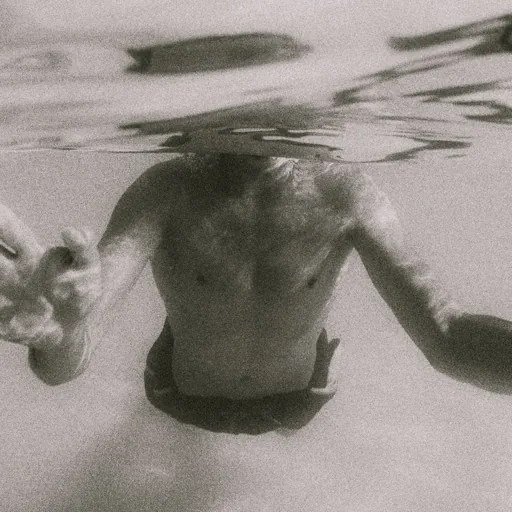
Head position is a small change with effects elsewhere in the stroke. Lift the forehead and the hips may drop. Turn too far to breathe and the lead arm may collapse. Force the chin hard into the chest and the neck becomes tense.
The starting point is neutral: neck long, eyes mostly down and the waterline passing around the crown of the head.
Why it affects drag
The head sits at the front of the body line. When it lifts, the body often tilts and presents more surface area to the water.
A 2015 passive drag study found lower drag in head down positions than in a head up position. The size of the difference varied with the arm position and test condition.
Passive towing is not normal freestyle, so the percentages should not be treated as a guaranteed speed gain. The study supports a useful coaching observation: lifting the head can make the body harder to move through the water.
A simple check
Swim one relaxed 50 looking forward more than usual. Notice the pressure on the neck, chest and legs.
Then swim another 50 looking towards the bottom, with the back of the head feeling long. Do not press the head down. Compare the balance.
Most swimmers feel the second position lift the hips or quieten the kick. A few need a slightly more forward gaze to suit their shoulder mobility or stroke. There is no prize for staring at an exact tile.
The tennis ball drill
Holding a tennis ball lightly under the chin can discourage a large head lift. Use it for a short drill length, then remove the ball and keep the same neck position.
This video demonstrates the tennis ball drill.
Do not clamp the ball. If the drill creates neck tension, stop.
Keep the breath separate
A good resting head position does not fix breathing by itself. During the breath, rotate with the body and clear only the mouth. Return the face to neutral before the recovery arm enters.
Ask somebody on deck to watch from the front. If the head swings side to side on every stroke, or lifts before every breath, the position is not yet stable.
The right head position is the one you can forget about. It supports balance, gives the breath room to happen and stays quiet while the rest of the stroke does the work.