
Endurance
Free articleHow to build endurance for longer swims
A practical approach to adding distance while keeping your stroke together.
When swimmers ask how to cover a longer distance, the first instinct is usually to swim farther in every session. That works for a while. Then the shoulders tighten, the legs sink and every extra lap rehearses a poorer stroke.
Endurance is the ability to keep doing useful work. The last two words matter.
Start with repeatable blocks
Suppose your goal is 2,000 metres without stopping. You do not need to prove that distance on day one.
Try 5 × 300 metres with 30 seconds rest. If the pace and stroke are consistent, move to 4 × 400, then 3 × 500. The total distance can grow before the continuous distance does.
Those short rests let you reset posture and breathing. Over time, reduce them or join repeats together.
Find the first thing that changes
Fatigue has a signature. You may begin lifting the head to breathe. The lead arm may drop. The kick may become frantic. Stroke count may climb each length.
Choose one marker and track it. If your normal 50 metres takes 38 strokes and later repeats need 46, extra effort is no longer buying much useful distance.
This is where efficient stroke mechanics and endurance meet. A stronger cardiovascular system helps, but it cannot fully compensate for growing drag.
Train at more than one pace
Long slow swimming is part of the answer, not the whole answer.
Across a week, include:
- easy swimming that allows relaxed technique
- steady repeats around the pace you expect to hold
- shorter, stronger efforts with enough recovery to keep them tidy
That mix gives you a sustainable gear and a little room above it. Open water swimmers need both when conditions or tactics change.
Strength can help if it is dosed properly
Leg and trunk strength support body position, turns and the ability to hold shape. You do not need a bodybuilding program.
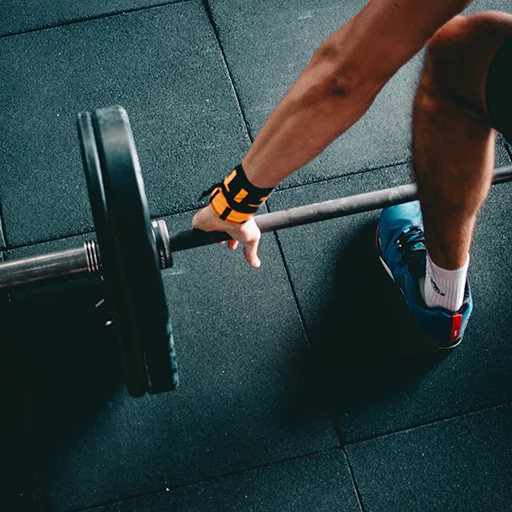
Squats, split squats, hinges, rows and sensible core work can be useful. Start with loads you can control and place the session where it will not ruin the next important swim. These gym exercise ideas provide a broad starting point, although your own program should suit your training history.
A simple weekly progression
Keep the main endurance set the same for two or three weeks. On the second week, add one repeat. On the third, keep the distance and reduce the rest by five seconds.
Then step back for a lighter week.
This gives you something to compare. Constantly changing the session can be entertaining, but it makes progress difficult to read.
A useful endurance session should leave you tired and still swimming like yourself. If the final quarter becomes a battle with the water, shorten the set, recover and try again next week. There is no prize for practising the wrong stroke for longer.
The study discussed in the original version of this article is available here.